
Are Acrylic Nails Bad for You? What Damages Nails and What Does Not
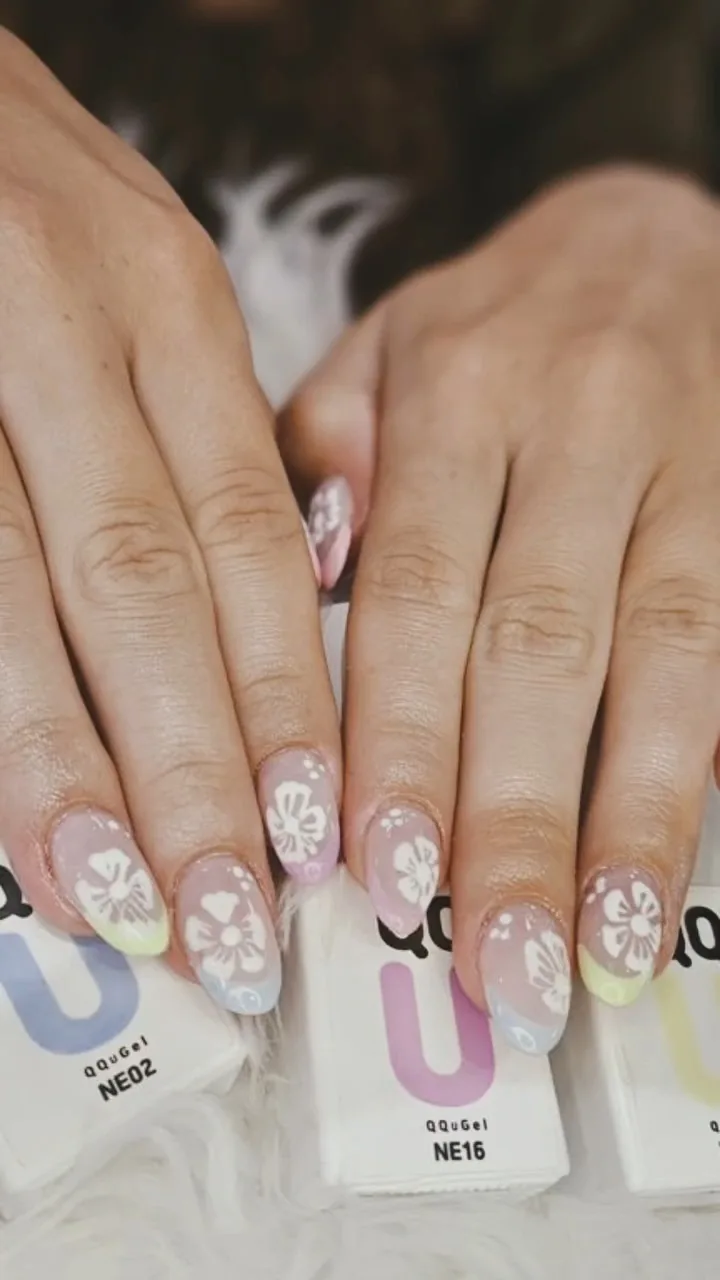
Every technician has heard it from a new client: I stopped getting acrylics because they ruined my nails. Then the client describes what happened, and it is almost always a set that was pried off, a fill that was filed too hard, or a lifted nail that sat with water under it for a month.
Acrylic nails are not bad for you when they are applied to a prepared nail, filled on schedule and removed with a soak instead of force. The product itself does not weaken the nail plate. The damage people see comes from a short list of handling mistakes, and every one of them can be avoided. This post goes through what acrylic is, what actually causes harm, how to prepare, how to choose a salon, and how Naespa handles each step of acrylic nails in Astoria.
The short answer
Acrylic does not hurt a healthy nail. Bad removal, over filing and ignored lifting do. If you can keep those three out of your routine, you can wear acrylic for years with normal nails underneath.
The nail plate is dead keratin, like hair. It does not breathe and it does not need a rest from product the way skin needs a rest from sun. What it needs is to stay the same thickness, which means no one files into it, and to stay dry under the product, which means no lifting is left to collect water. A properly applied acrylic over a prepared plate is a hard shell that protects the nail from the knocks and water that split bare nails.
There are two real exceptions. A small number of people develop an allergy to the acrylic monomer, which shows up as itching, redness and swelling around the nail, and that is a reason to stop and see a doctor. And a nail that is already damaged, sore or infected should not have anything applied over it until it is healed. Outside those two, the risks of acrylic are the risks of careless handling.
What acrylic nails are, and how they differ from gel and dip
Acrylic nails are made from a liquid monomer and a powder polymer. The technician dips a brush in the liquid, picks up a bead of powder, and shapes the bead on the nail. It hardens in the air in minutes into a dense, rigid plastic that can be sculpted to any length and shape.
Gel X uses full cover tips of soft gel bonded on with gel and cured under a lamp. It is lighter and more flexible than acrylic, goes on faster and soaks off in fifteen minutes, but it holds long shapes less well and cannot be filled. On the Naespa menu Apres Gel X is $70 against $50 for an acrylic full set. Hard gel is cured rigid under a lamp and is as strong as acrylic with less weight, but it cannot be soaked off at all; hard gel tips are $82. Dip powder is a strengthening overlay of resin and colored powder on the natural nail, $50, with tip extensions at $67.
What matters for the nail underneath is not which product is on top but how it goes on and comes off. All four are safe over a prepared nail and all four cause damage if they are pried off. Acrylic gets the worst reputation because it is the thickest and the most tempting to pull when it lifts, and because it has been around longest.
What actually damages natural nails
Five things cause the thin, bendy, peeling nails that get blamed on acrylic. None of them is the acrylic itself.
Over filing
The natural nail needs its shine removed before acrylic goes on, and the old acrylic needs thinning at a fill. Both are done with a file or an e file, and both can go too deep. A technician who files until the nail looks flat, or who holds an e file in one spot, takes layers off the plate every visit. Over months that is what makes nails thin and sensitive to heat under the lamp. The fix is a light hand: remove shine, not thickness.
Aggressive removal
Prying a set off from the free edge, biting it off, or working floss under it takes the top layers of the plate with the product. One bad removal can leave nails peeling for two months. Acrylic should be thinned with a file, soaked in acetone and pushed off when soft; our guide to removing acrylic nails at home covers each step.
Lifting left alone
When acrylic separates from the nail and water gets in, the gap stays wet and dark. That is how the green patches people call nail fungus start; most are bacterial and they are preventable. A lifted nail should be refilled or removed within days, not weeks.
Picking
Flicking a lifted edge pushes water in further and tears the plate a little each time. It is the slow version of prying.
Allergy
Monomer and gel both contain acrylates that some people react to. Itching, redness, swelling or blistering around the nail after a set means stop, remove and ask a dermatologist. Published research suggests sensitization is more common with uncured product on skin, which is one more reason for careful application.
What does not damage nails
A few worries come up at the table that do not hold up.
Nails do not need to breathe. The plate is dead keratin with no air exchange; it gets what it needs from the blood supply under the nail bed. A rest period between sets is useful if the nail was damaged by rough removal, but a healthy nail does not need one.
Acrylic does not stop nail growth. Nails under acrylic grow at the same rate as bare nails, which is exactly why acrylic fills are needed every two to three weeks.
The lamp is not part of acrylic. Acrylic cures in air; only gel top coats and gel colors on top of it go under a lamp, and the exposure in a salon visit is brief. Anyone concerned can ask for a regular polish finish instead.
Wearing acrylic for years is fine. Clients who have worn sets continuously for a decade with proper fills and soak off removals have normal nails underneath. The nail you see after the set comes off is thinner only if someone filed it thinner.
Preparing your nails for acrylics
A good set starts before the technician picks up a brush. Preparation at home and prep at the table both decide how well the nail does over the next month.
At home, the week before
Oil the cuticles daily so the skin at the base is soft and does not need heavy pushing. Keep the nails clean and do not cut the cuticle yourself; ragged skin at the fold makes prep harder. If you are coming off a previous set, let the salon remove it rather than doing it the night before in a hurry. And if a nail is sore, split or discolored, say so when you book; it may need a repair or a rest before product goes on.
At the table
The technician pushes back the cuticle, removes the dead skin from the plate, trims the free edge and lightly removes the shine from the plate. Then the nail is cleansed and dehydrated so the acrylic bonds to nail, not to oil. A primer goes on. The whole prep takes a few minutes and it is where lifting is prevented. Prep done with a light hand leaves the plate the same thickness it arrived with; that is what to watch for. At Naespa prep is done dry with an e file on the cuticle and a hand file on the plate, and the technician will tell you if a nail is not ready for product.
Choosing a safe nail salon
The salon you choose has more to do with how your nails come out than the product does. Four things are worth checking, and all four can be seen or asked about in a minute.
Licensing. Nail work in New York requires a state license and it should be on display. A licensed technician has been trained in sanitation and in where to stop with a file. Naespa's technicians, stylists and estheticians are licensed, and you can read about the Naespa team.
Sterilization. Metal tools should come out of a sealed pouch or a sterilizer, not a drawer. Files and buffers should be new or yours. Naespa uses UV sterilized tools and hospital grade sanitation, and you can ask to see it.
Ventilation and product. Acrylic monomer has a sharp smell. A salon that smells faintly of it is normal; one where the air is thick with it is not ventilating, which matters for the technicians more than for you. Professional grade products that cure fully are part of the same picture; cheap monomer is a common cause of lifting and of allergy.
The technician's hands. Watch a fill. The file should move constantly and never dig in one spot. The technician should look at your natural nail as it comes bare and say something if it needs attention. A tech who files through lifting instead of removing it, or who never looks up, is the one to avoid. Reviews help here; Naespa sits at 4.5 stars across 135 Google reviews, and the reviews that matter are the ones that mention how nails looked after a set came off.
Care and maintenance that keeps nails healthy underneath
The month between sets is where most nail health is won or lost. The habits are small.
- Fill every two to three weeks. A filled set has its apex in the right place and no gap for water. A set stretched to five weeks lifts, cracks and leaves the technician more to file.
- Oil daily. Cuticle oil keeps the skin at the fold soft and the plate flexible, and it reduces the pull on the product as the nail grows.
- Gloves for wet work. Dish water and cleaning products are the fastest way to lifting at the base.
- Use the finger pads. Cans, labels and keys snap acrylic and can tear the natural nail with it.
- Do not file at home. The surface seal keeps water out of the layers; a home file breaks it.
- Keep the length within reason. A long stiletto on a short nail bed is a lever on the plate. A medium almond is not.
- Remove by soaking, every time. If you want sets off between visits, a hand file, acetone, foils and patience do it without damage. Pulling never does.
A repair for one broken nail is $10 at Naespa, and a quick fix is always cheaper for the nail than waiting for the fill.
Recognizing and repairing damage
Most problems announce themselves early. Here is what to look for and what to do about each.
Lifting at the base or sides. A visible gap, often white or cloudy, between the acrylic and the nail. One nail near the fill date is normal; several in the first week is a prep issue. Either way, come in. The lifted product is removed, the nail is cleaned and dried, and the area is refilled. Do not flick it and do not glue it.
A crack or break. Tape a sharp edge and book a finger repair. If the natural nail tore, the technician trims it, protects it and rebuilds the acrylic short on that finger.
Heat under the lamp or pain while filing. The plate is thin. Tell the technician immediately; a thin nail needs lighter prep, a short length and perhaps a cycle with a regular manicure instead of a set.
Green or dark patches under the product, redness, swelling or throbbing. Remove the product from that nail the same day and let it dry; a technician can do this cleanly. Anything that is not improving within a few days, or any blistering around the nail, is a reason to see a dermatologist rather than a salon.
White, dry, ridged nails after removal. That is surface dryness and it grows out with daily oil. It is not a reason to avoid the next set once the surface is smooth.
Choosing shapes and colors
Shape and color are the fun part, and shape also has a say in how the set wears.
Shorter and rounder shapes last longer and are easier on the natural nail. A short square, a round or a medium almond sits over the nail bed, takes fewer knocks and rarely breaks. Coffin and stiletto look dramatic and are fine on a nail bed that can carry them, but on short beds they act as levers and are the shapes most likely to snap and take nail with them. If you are new to acrylic, start medium and go longer once you know how your hands treat a set.
Color is open. Acrylic can be finished with regular polish, gel color, a French tip at $15 as an add on, chrome, ombre or hand painted art. Simple nail art designs are fine on a walk in; full art sets are worth booking ahead. Our nail art menu shows current sets. If you want a natural look, a nude or sheer pink over a short almond reads as a healthy natural nail and hides grow out longest. Dark colors show chips and the gap sooner, so they suit people who keep to the fill schedule.
Get acrylics done right on Steinway Street
Naespa Nails & Beauty is on Steinway Street in Astoria, two minutes from the Steinway St station on the M and R. The salon is open seven days, Monday to Friday 9am to 8pm, Saturday 9am to 7pm and Sunday 11am to 6pm, with the last nail appointment at 6pm Monday to Saturday, and walk ins are welcome.
Licensed technicians, UV sterilized tools and professional grade products are the three things that make acrylic safe, and all three are standard at the salon. Book online for a full set, a fill or a soak off, and see the full menu and prices.
Questions readers ask
Do acrylic nails cause fungus?
Not by themselves. The green or dark patches that show up under a lifted nail are usually bacterial and come from water trapped under product that was left lifting. Refilling or removing a lifted nail promptly prevents it.
Should I take a break from acrylics every few months?
Only if the natural nail came out thin or sore from the last removal. A healthy nail under a set that is soaked off properly does not need a rest.
Why do my nails feel hot under the lamp after a fill?
Heat means the plate has been filed thin. Tell the technician so prep is lighter next time, keep the length short and consider a cycle with a regular manicure to let the nail thicken.
Can I get acrylics if I bite my nails?
Yes, and many people find acrylic helps them stop. The set needs a short length and careful prep on short beds, and fills on schedule so nothing lifts.
What should I do if my skin itches around new acrylics?
Itching, redness or swelling around the nail can be an acrylate allergy. Have the set removed with a soak and see a dermatologist before trying any extension again.