
Clip In Hair Extensions: How They Work, How They Compare to Tape In and Weft
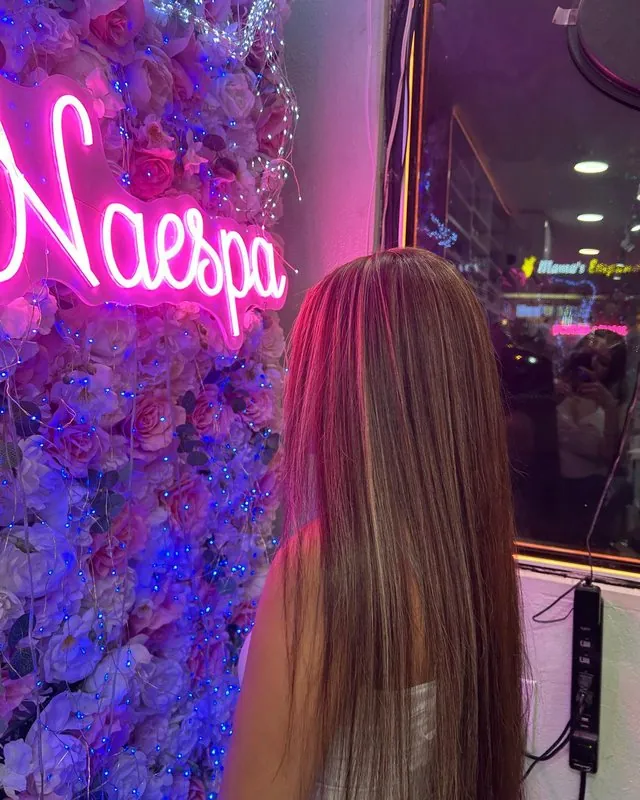
Clip in hair extensions are wefts of hair on small clips that you snap in at home and take out at night. There is no glue, no heat and no commitment, which is why they are the usual first step for anyone curious about more length or fullness. You can change your look for a dinner, a wedding or a long weekend, and go back to your own hair the next morning.
The short answer: clip ins are the easiest extension to try, tape in and weft methods last longer but need a stylist, and the quality of the hair matters more than the method. Below you will find how each type works, where the hair comes from, what is true about the maggot rumor and how to blend extensions with your color.
How clip in hair extensions work
A set of clip ins is usually several wefts in different widths. The widest goes at the back, narrower ones at the sides and tiny ones near the face. Each weft has small clips that grip your own hair near the root.
You part your hair in rows, clip a weft along each part and let the top layer fall over the clips so they stay hidden. A full set takes ten to twenty minutes once you have practiced. At night you unclip, brush the hair and store it flat or hanging.
Clip ins suit fine hair that needs volume, people who want length for an event and anyone who does not want a long term install. They do not suit very short or very thin hair, because there is not enough hair to hold the clips, and the weight can pull on delicate strands. If your hair is thin, ask a stylist before you buy.
Tape in hair extensions
Tape in extensions are thin strips of hair with a sticky strip on one side. A stylist sandwiches a small section of your hair between two strips, which presses together flat against the scalp.
They lie flatter than clip ins and feel light, which makes them a common pick for fine hair. They usually stay in for several weeks and then need to be taken out and reapplied as your own hair grows. Removal uses a special solution that loosens the tape, and it should be done by a professional so your hair does not get pulled.
Tape ins are not a good match with heavy oils or silicone conditioners near the roots, because they weaken the tape. They also need gentle brushing. If you like the idea of semi permanent length without a lot of daily work, ask a stylist whether tape in suits your hair type and routine.
Weft hair extensions
A weft is a long curtain of hair sewn onto a thin band. Weft extensions are attached by sewing the band onto a small braid, bonding it or using a beaded method, depending on your hair and the stylist.
They are a good fit for thick hair, because the thicker base can hide the track. They hold well and can carry a lot of length and volume. They also take the longest to install, and they need regular visits to move the track up as your own hair grows, usually every six to eight weeks.
Here is how the three main types compare.
| Type | Install | Typical wear before moving | Best for |
|---|---|---|---|
| Clip in | Yourself, 10 to 20 minutes | One day at a time | Events and trying length |
| Tape in | Stylist | About 4 to 8 weeks | Fine hair, flat feel |
| Weft | Stylist | About 6 to 8 weeks | Thick hair, big volume |
The times above are typical and vary with your hair growth and your routine. Our post on how long hair extensions last explains the hair and the method in more detail.
Curly hair extensions
Curly hair extensions come in waves, loose curls, tight coils and kinky textures. The big rule is to match the texture to yours, because a straight clip in set next to curly hair will never blend, no matter how well it is styled.
For natural curls, many people choose human hair in a matching texture and wash and style it together with their own hair. Some wear the extensions curly and let the curl pattern frame the face. Others blow out their hair straight and put in straight extensions for a sleek look, then wash and let the curls return.
Curly extensions need more moisture and less brushing. Detangle with fingers or a wide tooth comb, from the ends upward. Do not brush them dry. If you color your hair, a stylist can match the shade of the extensions, or color the extensions themselves if they are human hair. Our guide to caring for silk hair extensions has more advice on keeping the texture soft.
Where does the hair in hair extensions come from
Most human hair extensions are made from hair donated or sold by people in countries such as India, China, Vietnam and Cambodia, and some from Eastern Europe. It is collected, sorted by length, cleaned and then turned into wefts, tape strips or clip sets.
Labels like Remy mean the hair cuticles all run in one direction, which helps it tangle less and look smooth. Lower priced hair may be mixed lengths and chemically treated, which makes it softer at first and shorter lived. Synthetic extensions are made from plastic fibers, are cheaper and cannot handle much heat unless the label says they are heat safe.
Because the supply chain is long, quality varies. Ask where the hair is from, whether it has been chemically stripped and how it has been processed. A good seller will answer plainly. If they will not, take that as a signal to look elsewhere.
What are maggots in hair extensions
The maggot rumor is a viral story, usually shared with a photo or video, claiming that cheap hair extensions can come with live larvae. The simple truth is that it is rare, and most cases that spread online have not been verified.
What can happen is more ordinary. Hair that was stored damp, poorly cleaned or left in a sealed bag can grow mold or attract insects, just like other natural materials. Cheap, unprocessed hair is the likeliest to have this problem, which is another reason to buy from sellers who clean and dry the hair properly.
To be safe, open any new set and look at it in good light. It should smell neutral and look clean and dry. Wash and dry it before wearing. If you see anything alive or smell something sour, stop and return it. This is not something to ignore, but it is not something to fear either. Good suppliers and a quick check solve nearly all of it.
Extensions and nails: not the same thing
If you landed here looking for the other kind of extension, the nail kind, the salon does those too. A nail extension adds length to the free edge with gel or acrylic. At Naespa, the UV gel extension is the listing to look at, and the tip set and Gel X menus cover other ways to add length.
For hair extensions, the salon lists a hair extensions service for 14 to 18 inches on the site. Call the salon to confirm what is offered and how to book, since it depends on your hair and the type you want.
Clip ins also pair nicely with a gentle day out at the salon. You can try length for the evening and keep your own hair healthy.
Blending extensions with your color
The best clip in or tape in set looks like part of your hair. That takes a close color match and often a little blending, and it is easiest when your color is simple. If you have highlights or balayage, ask a stylist to look at the set in person and choose a shade between your root and your ends.
If you want blonde pieces, our post on blonde balayage on brown hair shows how a blended color looks on a brown base and why it helps extensions hide. A soft blowout and a light curl also mask the join where the extension meets your own hair.
For more on how highlights work with a brown base, the guide to brown hair with blonde highlights is a good companion read. Take a photo of your hair in daylight before you buy a set, so your color is clear.
Clip in extensions and your next visit on Steinway Street
Naespa Nails & Beauty is at 32-44 Steinway St, Astoria, NY 11103, two minutes from the Steinway St station on the M and R. We are open seven days, Monday to Friday 9am to 8pm, Saturday 9am to 7pm and Sunday 11am to 6pm, with the last hair appointment at 4pm Monday to Saturday.
Ask about our hair extensions in Astoria, visit the hair salon services for color and cuts, or book online. You can also call (347) 894-6190.
Questions readers ask
Do clip in hair extensions damage your hair?
They can if they are too heavy, put in too tight or slept in. Used gently for a few hours and removed at night, they are one of the lowest risk options.
How many clip in wefts do I need?
Most sets have seven to ten pieces, which suits average thickness. Fine hair may need fewer and thick hair may need more.
Can I wash clip in hair extensions?
Yes, but not every day. Use a gentle shampoo, wash in cool water, pat dry and let them air dry flat or hanging.
Can I color clip in hair extensions?
Human hair clip ins can be toned or darkened by a stylist, but not lightened much. Synthetic sets cannot be colored.
Is human hair better than synthetic?
Human hair feels more natural and can be styled with heat. Synthetic costs less and holds a style, but it tangles faster and cannot take much heat.