
How to Remove Gel X Nails Without Wrecking Your Natural Nail
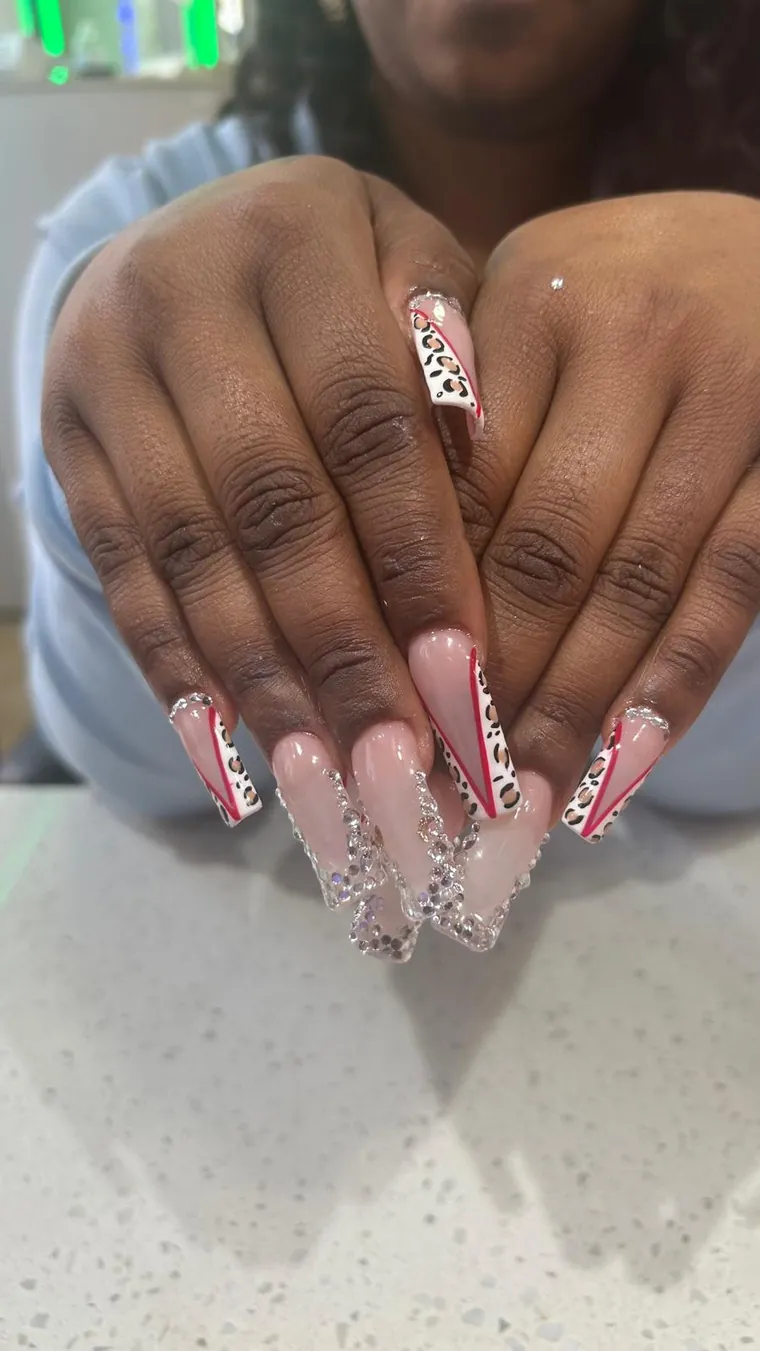
Gel X comes off more easily than acrylic or hard gel, which is one of the reasons people choose it. It still does not come off by pulling. The tip is bonded to your nail with cured gel, and gel that is pried up takes the top layer of the nail plate with it.
To remove Gel X nails safely, file the shine off the top coat, clip the free edge short, soak each nail in acetone under foil for fifteen to twenty minutes, push the softened gel off with a wooden stick, buff the last film and oil the nail. The whole job takes about forty minutes at home. At Naespa in Astoria the same removal takes less time because the technician uses an e file for the first step, and it can be done in the same visit as a new Gel X set.
What Gel X is, and why acetone works on it
Gel X nails are full cover soft gel tips bonded to the natural nail with a layer of gel and cured under a lamp. Both the tip and the bonding gel are soft gel, which means acetone breaks them down.
That is the key difference from hard gel, which acetone does not touch and which has to be filed off, and from acrylic, which soaks off but takes far longer because the layer is thicker and denser. Soft gel swells and turns gummy in acetone within fifteen minutes, so the removal is a soak, a gentle push and a buff. No prying, no scraping with metal, no heavy filing on the natural nail.
The thing to respect is the bond at the base. Gel X holds so well because prep was done properly and the gel is cured right to the cuticle. That same bond is what makes pulling a tip off a bad idea; the gel lets go of the nail only when it is softened.
What you need at home
You can do this with a few items from a drugstore. The list is short on purpose; the fancy removal clips and electric tools are optional.
- Pure acetone, not acetone free polish remover. The acetone free kind does not break down gel.
- A coarse nail file, around 100 to 180 grit, for breaking the top coat.
- Nail clippers to take the length down.
- Cotton pads cut into pieces about the size of a nail.
- Aluminum foil cut into ten squares, or reusable soak clips if you have them.
- A wooden orange stick, not a metal pusher.
- A soft buffer for the last film of gel.
- Cuticle oil and a thick hand cream for afterward.
- Petroleum jelly or a heavy balm to protect the skin around the nail from the acetone.
Work at a table with a towel under your hands, in a room with a window open. Acetone fumes are harsh in a closed space, and the towel saves the table.
At home, step by step
Work one hand at a time so the other hand can do the foils. The order matters: shorten first, then break the seal, then soak.
1. Clip the free edge
Cut the tip down close to your natural nail length with clippers. Less gel means less to soak. Cut from the sides toward the middle so the tip does not crack across the nail.
2. File the top coat
File the surface until the shine is gone everywhere, including right at the base. Gel top coat is sealed against acetone, and the soak only works where the seal is broken. You are not filing down to the nail, only roughing the surface.
3. Protect the skin
Rub balm or petroleum jelly on the skin around each nail. Acetone dries skin fast and this keeps the soak from leaving your fingertips raw.
4. Acetone and foil
Soak a cotton piece in acetone, press it onto the nail and wrap the fingertip tightly in foil. Do all five on one hand and wait fifteen to twenty minutes. Warming the hand under a towel speeds it up; a hair dryer on low for a minute helps too.
5. Push, do not scrape
Unwrap one finger. The gel should look swollen and cloudy and should slide off with light pressure from the orange stick, working from the cuticle toward the edge. If it resists, rewrap and wait five more minutes. Never force it.
6. Buff and oil
Buff the last thin film of gel gently with the soft buffer. Wash your hands, oil every cuticle and work hand cream in. Then do the other hand.
What not to do
Most Gel X damage happens in the last five minutes of a removal, when the soak is almost done and patience runs out. These are the habits that cost nails.
- Do not pop the tip up from the free edge. The tip is bonded hardest at the base, and lifting from the edge peels the nail plate in layers.
- Do not peel a lifted corner with your other nails. Same damage, slower.
- Do not use a metal pusher or a cuticle knife on the softened gel. Metal gouges the plate; wood does not.
- Do not file through the gel to the nail to skip the soak. The file does not know where gel ends and nail begins.
- Do not use acetone free remover and then wonder why it is not working.
- Do not soak the whole hand in a bowl of acetone. It works, but it strips the skin on all ten fingers and the gel still needs the seal broken first.
If a tip is already half off from a knock, finish the job with a soak, not with a pull. The remaining bond is still enough to take nail with it.
How Naespa removes a set and why it takes less time
In the salon, removal takes around twenty minutes instead of forty, and the natural nail comes out of it in better shape.
The difference is the first step. Instead of a hand file, the technician uses an e file to take the tip down to a thin layer in a couple of minutes, with a light touch that never reaches the plate. Less gel means a shorter soak, and a shorter soak means less acetone on the skin. The remaining gel is softened under foil, pushed off with a wooden stick and the plate is buffed smooth.
Then the technician looks at the nails. If a plate is thin or peeling, a finger repair at $10 reinforces it before anything else goes on. If you are going straight into a new set, prep continues from there. Naespa's tools are UV sterilized and the sanitation is hospital grade, which matters more at removal than most people think, because a freshly bare nail is the easiest thing in the salon to infect. The enhancement removal service is listed on the Naespa service menu.
Aftercare for the first week
A nail that just lost its Gel X is a little thinner and a lot drier than it was a month ago. A week of simple care brings it back.
- Oil the cuticles twice a day for the first week. The acetone pulled the moisture out and oil puts it back.
- Keep the nails short and the edges smooth. A short free edge does not catch and peel.
- Skip polish for a day or two if you can. If you want color, a regular manicure at $21 gives the nail a tidy edge and a light coat without a lamp.
- Wear gloves for cleaning. Detergent on a freshly bare nail is what makes it peel in layers.
- Do not buff repeatedly to make the surface look smooth. One light buff at removal is enough; more thins the plate.
Any white patches or ridges you see are usually surface dryness, not damage, and they grow out. A nail that is sore, soft or discolored should be looked at by a technician or a dermatologist.
When to let the salon do it
Home removal is fine for a set that is simply grown out. Let the salon handle it in a few cases.
Lifting with water under it. If a tip has lifted and the nail under it looks dark or green, do not soak it at home; the technician needs to see it and the nail needs to dry out properly before anything goes back on. Thin or damaged nails. If the last removal left your nails peeling, a second home soak will make it worse, and the technician can keep the acetone time short and reinforce with a finger repair. Full art sets. Chrome, thick gems and layered designs are sealed under more product and take longer to break down; filing them at home usually ends in filing the nail. And any set you are not sure about. If you do not know whether you have Gel X, hard gel or acrylic, the technician can tell by looking, and hard gel does not soak at all.
Removal plus a new set in one visit
The simplest way to remove Gel X is to book the next set and let the technician take the old one off first. If you want a break from tips, a structured gel manicure strengthens the natural nail instead. The soak, the check of the natural nails and the new tips happen in one sitting.
Naespa Nails & Beauty is on Steinway Street in Astoria, a short walk from the Steinway St station on the M and R. The salon is open seven days, Monday to Friday 9am to 8pm, Saturday 9am to 7pm and Sunday 11am to 6pm, with the last nail appointment at 6pm Monday to Saturday. Walk ins are welcome for a removal on its own; for removal plus a new Apres Gel X set at $70, book online so the extra time is held. Current sets and prices are on the Gel X and nail art menu.
Questions readers ask
How long does it take to soak off Gel X nails?
About fifteen to twenty minutes per hand once the top coat is filed, so forty minutes for both hands at home. The salon is faster because the tip is thinned with an e file first.
Can I remove Gel X without acetone?
Not safely. Soft gel only breaks down in acetone. Filing the whole tip off or peeling it are the two methods that damage the nail.
Will my nails be thin after Gel X removal?
A little, mostly from dryness. With daily oil and a short edge they recover within a week or two. Prying the tips off is what causes real thinning.
Can I put a new set on right after removing Gel X?
Yes, as long as the removal was a soak and the nails are not sore or peeling. Most clients go straight from removal into the next set in one appointment.