
Are Gel Nails Bad for You? Safety, Allergies and the Cancer Question
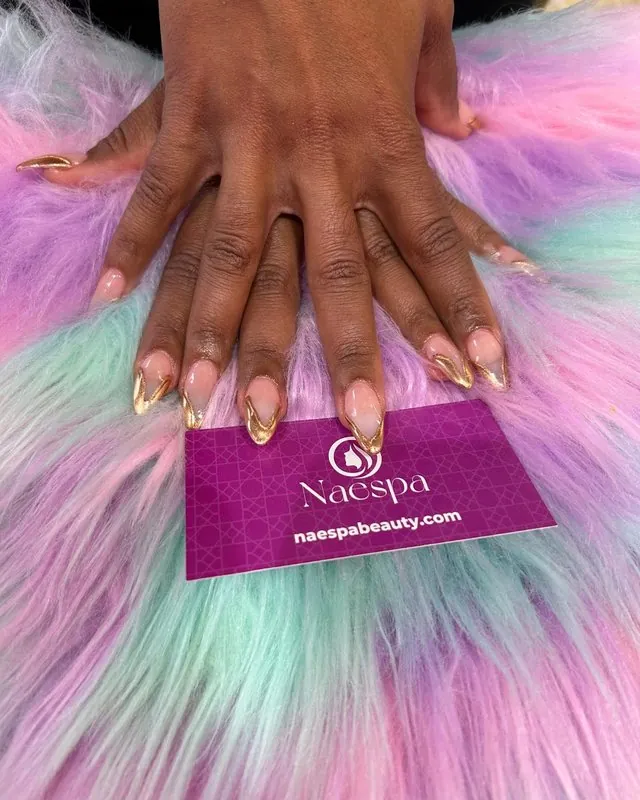
Are gel nails bad for you? It is one of the questions we hear most at the table on Steinway Street, usually from someone who loves the shine and the three weeks of wear but has read a worrying headline. The honest answer needs more than a yes or no, because gel itself is rarely the problem. The way it goes on and, above all, the way it comes off decide what happens to your nails.
The short version: for most healthy adults, a professionally applied gel manicure is a reasonable choice when it is removed properly and not worn nonstop for years. Damage usually comes from peeling, over filing and skipped breaks. Allergies are real but uncommon, and the cancer concern is based on a very small amount of lamp exposure. Here is how to weigh each one.
Are gel nails bad for your natural nails?
Not by themselves. A gel manicure is a thin layer of polish cured under a lamp, and when it is applied to a clean, lightly buffed nail and soaked off at the end, the nail underneath usually looks the same as before. Problems start when the gel is peeled or picked off, because that pulls away the top layers of the nail plate and leaves it thin, white and flexible.
The other common cause is aggressive prep. A heavy hand with the e file or a coarse buffer takes off nail along with the shine. A careful technician should only remove the gloss, not thin the nail. If a service ever feels hot, scrapey or painful, speak up right away.
What damage looks like
- White patches or peeling layers at the free edge.
- Nails that bend or feel soft after removal.
- Ridges or dents that were not there before.
- Tender skin around the cuticle.
All of these usually grow out. A fingernail takes roughly four to six months to replace itself, so patience and a gentle routine do most of the repair. If you also wear extensions, our piece on whether acrylic nails are bad for you compares what damages nails across systems.
How often can you wear gel without a break?
There is no fixed rule that says gel must be paused, but nails do seem to do best when you give them some variety. Wearing gel for a month, then going to a regular manicure for a cycle, is an easy pattern that lets you check the health of the nail bed.
What matters more than the calendar is how you treat the nail between visits. Keep cuticles moisturized with oil, wear gloves for dishes and cleaning products, and never use your nails as tools. If your nails feel weaker every time you remove gel, that is the signal to rest them, switch to a gentler base such as a builder gel manicure or ask for a strengthening service.
How to treat an allergic reaction to gel nail polish
If your skin becomes red, itchy or swollen near the nails, stop the service or remove the gel and speak with a doctor or pharmacist. Contact dermatitis from gel is caused by uncured product touching skin, and once someone becomes sensitized it can come back with even a tiny exposure.
Common signs include itching around the cuticle, rash on the fingers, eyelids or neck, peeling skin, and nails that lift from the bed. Reactions may appear days after a manicure, not during it, which makes the cause hard to spot.
What to do if you suspect a reaction
- Take the gel off carefully. Our guide to removing gel nail polish explains how to soak it off without picking.
- Wash the area with mild soap and lukewarm water and avoid new products.
- Use a gentle moisturizer and ask your doctor about creams for irritated skin.
- See a doctor if there is blistering, swelling or no improvement in a few days.
Tell your technician about any past reaction before your next visit. A good technician keeps product off the skin, cures every layer fully and wipes the nail clean. That lowers the risk a lot, though it cannot remove it for someone who is already sensitized.
Do gel nails cause cancer?
There is no proof that a gel manicure causes cancer. The worry comes from the UV or LED lamp used to cure the polish, which gives off ultraviolet light, the same kind found in sunshine.
Published research so far suggests the exposure from a typical manicure is small, because each session lasts only a few minutes and the light reaches only the hands. A few case reports have raised questions, and researchers continue to study it, so the careful answer is that the risk appears low but has not been studied for decades yet. If you are concerned or have a history of skin cancer, ask your dermatologist.
Simple ways to lower exposure
- Apply broad spectrum sunscreen on the hands about twenty minutes before the lamp.
- Wear fingerless UV protective gloves, which cover the skin and leave the nails open.
- Alternate gel with regular polish if you want fewer lamp sessions each year.
Sunscreen and gloves are inexpensive and take a minute, and many clients already use them as a habit. Sensitivity is not limited to nails, either. The same kinds of adhesives and glues raise similar questions around the eyes, and our piece on whether lash extensions damage your lashes covers that side.
Mistakes that make gel worse than it needs to be
Most of the damage we repair is avoidable. These are the habits that hurt nails more than any lamp does.
- Picking or peeling gel when it lifts. This is the number one cause of thin nails.
- Leaving gel on for six or seven weeks. Growth creates a ridge where the product can catch and crack.
- Using household acetone for long soaks with no skin protection. Dryness follows.
- Skipping cuticle oil. Dry skin around the nail cracks and gets irritated more easily.
- Letting a lifted corner stay. Moisture trapped underneath can cause discoloration.
If you want to see how a removal should go in a salon, our gel soak off walkthrough covers the steps and the time it takes.
Can you choose a gentler gel service?
Yes, and you do not have to give up color. A few options place less stress on the nail.
| Service | Price | Why people choose it |
|---|---|---|
| Gel manicure | $40 | Everyday shine and wear |
| Spa gel manicure | $57 | A more pampering version of gel |
| Regular manicure | $21 | A break from the lamp |
| Finger repair | $10 | Fixes one broken nail |
You can also look for products labeled free of certain ingredients, which our note on non toxic nail polish explains in plain language. Remember that no label removes all risk, and the same rules about full curing and careful removal still apply.
What our technicians do to keep gel safe
Every Naespa technician is licensed, and tools are UV sterilized with hospital grade sanitation between clients. We prep the nail gently, keep product off the skin and cure every coat fully. If you have a history of reactions, a thin nail plate or a health condition that affects healing, tell us at the start so the service can be adjusted.
When it is time to take the gel off, we soak it, never rip it, and finish with oil. Our enhancement removal service is there for exactly that, including for gel done somewhere else.
Get a gel manicure you can feel good about in Astoria
Naespa Nails & Beauty is at 32-44 Steinway St, Astoria, NY 11103, open seven days. Hours are Monday to Friday 9am to 8pm, Saturday 9am to 7pm and Sunday 11am to 6pm, with the last nail appointment at 6pm Monday to Saturday. Walk ins are welcome.
A gel manicure starts at $40, and you can reserve through online booking or call (347) 894-6190. Bring any questions about your skin or past reactions, and we will plan the service around them.
Questions readers ask
Can gel nails make your nails weak?
Gel on its own does not weaken nails, but peeling it off or over filing during prep can. Soak it off, oil your cuticles and give your nails an occasional break.
Is it safe to get gel nails every month?
Many healthy adults do, and the nails stay in good shape when removal is gentle. If you see peeling, white spots or soreness, pause and ask your technician or doctor.
Can I get a gel manicure if I am prone to allergies?
Tell the technician before the service. They can keep product off your skin, but if you have reacted to gel before, check with a doctor first.
Does the LED lamp harm my skin?
Published research suggests the dose from a short manicure session is low, though scientists keep studying it. Sunscreen or fingerless gloves lower the exposure.
How long should my nails rest between gel sets?
There is no required rest period. Some clients alternate gel with a regular manicure every second or third visit to check the health of the nail.