
Home › Blog › Salon tips
Non Toxic Nail Polish: What the Labels Mean, and Other Polish Questions Answered
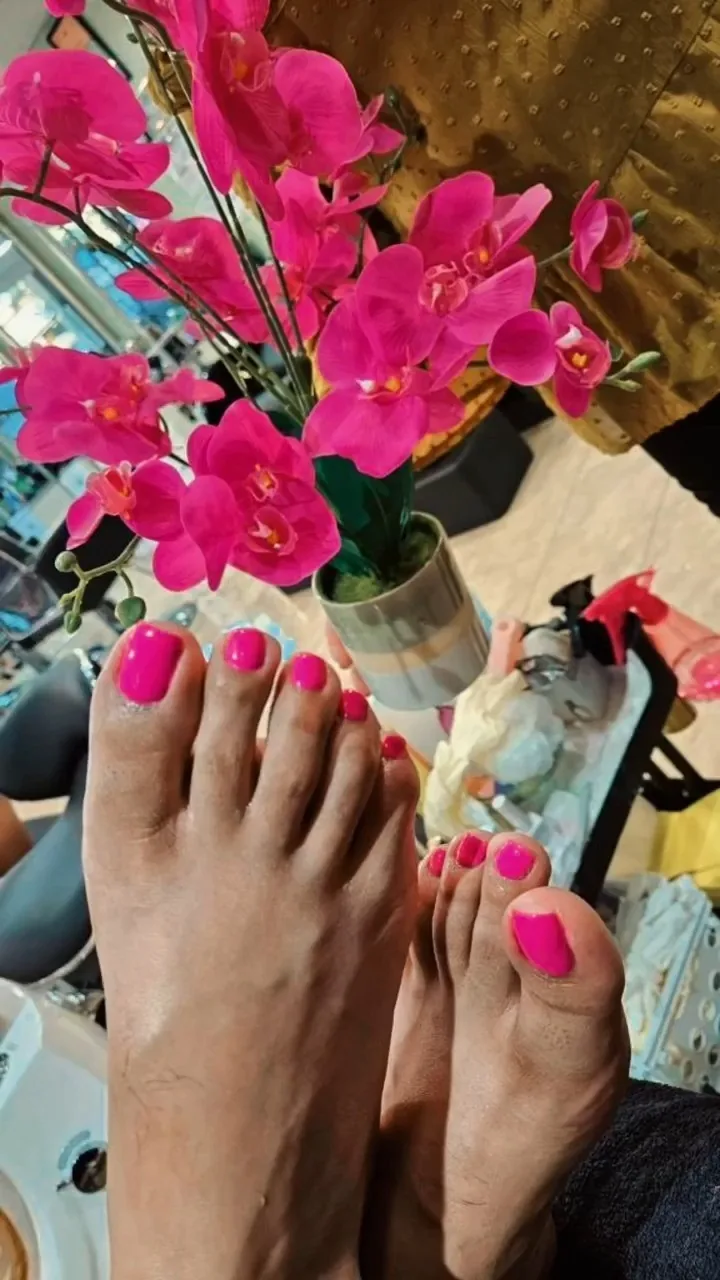
Non toxic nail polish is a marketing phrase, not a legal standard, so the label alone does not tell you much. What helps is reading which ingredients a brand leaves out, and knowing that any polish is still a chemical product to use with care and good ventilation.
The direct answer: look for polishes that list what they are free of, such as formaldehyde, toluene and dibutyl phthalate, and check the ingredient list instead of trusting a single word on the front. Below we cover the free of labels, lacquer, whether polish is bad for your nails, how to take polish on a plane, how to get it out of clothes and where polish came from.
What does non toxic nail polish actually mean?
No regulator defines non toxic for nail polish, so brands use it loosely. It usually means a formula that skips a short list of ingredients that people worry about, often with a water based or low odor base.
Read the fine print. Phrases like 3 free, 5 free, 7 free and 10 free count how many ingredients are left out. The numbers are not standardized, so compare the names of the ingredients, not the number. Even a gentle formula should be used in a ventilated room, kept away from children and never used on broken skin.
The common free of lists
| Label | Typically leaves out |
|---|---|
| 3 free | Formaldehyde, toluene, dibutyl phthalate |
| 5 free | The three above plus formaldehyde resin and camphor |
| 7 free and more | Add ingredients such as xylene, ethyl tosylamide or some parabens, depending on the brand |
Lists vary by brand, so confirm on the bottle. Our technicians use professional grade products, and you can always ask what a color contains. If you are shopping for shades, our post on nail polish colors lists some to try.
A practical tip: check the date and the brand website for a full ingredient list, not only the back of the bottle. Small brands that publish everything are easier to trust than ones that rely on a slogan. If you are shopping for a child, a water based formula is usually the better pick, though you should still supervise use.
Pregnant clients often ask about polish. Mainstream guidance is that occasional polish in a ventilated space is generally considered low risk, but ask your own provider if you have concerns.
What is lacquer nail polish?
Lacquer is the classic bottled polish: color pigments and film forming resin dissolved in solvents that evaporate as the polish dries. When people say nail lacquer, they mean regular polish that air dries, as opposed to gel, which needs a lamp.
Lacquer is easy to remove with polish remover and costs less, but it chips sooner and takes time to dry. Gel is cured under a lamp, lasts longer and comes off with a soak. If you want longer wear on your toes, a quick switch is a gel polish change for your feet, which is $30 for toe gel. A regular lacquer on toes is $20.
Lacquer also comes in different finishes: cream, shimmer, glitter, jelly and metallic. Cream and jelly finishes show brush marks if applied thickly, so thin coats are best. Shake the bottle by rolling it between your palms rather than pumping the brush, which puts bubbles in the polish. Store bottles upright in a cool, dark place and wipe the neck clean so the cap does not stick.
Is nail polish bad for your nails?
Polish itself is not usually the problem. Peeling, harsh scraping, skipping rest days and heavy buffing cause most damage. Long term staining can happen with dark shades if you skip a base coat.
A base coat protects the plate, and a gentle remover helps. Removal is the step that matters most. If you wear gel, never pick it. Read how to remove gel nail polish for a safe method. If your nails are weak, thin or split, ask about a treatment such as a builder gel overlay to give them support.
Habits that protect your nails
- Always use a base coat, especially under dark colors.
- Remove polish with a soft pad, not a scraper.
- Apply cuticle oil daily.
- Give nails a short break if they feel thin or sore.
For a deeper look at wear and damage with extensions, read our post on whether acrylic nails are bad for you.
Yellow staining is the most common worry. It usually comes from red and dark pigments soaking into the surface of the nail, and it fades as the nail grows. A buff with a soft block and a fresh base coat before your next color reduces it. If your nails stay yellow, thick or crumbly, or you see changes in the nail plate, ask a doctor, since polish is not the only cause.
Can you take nail polish on a plane?
Yes, within limits. In a carry on, nail polish counts as a liquid, so bottles must be 3.4 ounces or smaller and fit in your clear quart bag. In a checked bag, polish is allowed, but remover that contains acetone is flammable, so check the airline rules.
Rules change, so check the TSA site before you fly. Our post on whether you can bring nail polish on a plane goes through the details. Gel polish travels well, but your lamp has its own battery rules. If you are heading on a trip, a fresh gel manicure and pedicure before you fly means nothing to pack.
A few smart travel habits help. Pack a mini bottle of top coat and a small file for a quick fix, put polish in a zip bag in case a cap leaks, and keep remover for your checked luggage if the rules allow it. If you have gel nails on, you do not need to pack polish at all.
How to remove nail polish from clothes
Blot, do not rub. Place a clean towel under the stain, dab it with rubbing alcohol or a non acetone remover from the back of the fabric, and wash as usual.
- Scrape off any excess polish with a spoon.
- Test your remover on a hidden spot, since acetone can melt synthetics such as acetate.
- Put a towel under the stain and dab with a pad from behind.
- Rinse with cold water.
- Treat any leftover mark with detergent and wash.
Never put a stained item in the dryer until the mark is gone, because heat sets it. For delicate or expensive pieces, take them to a dry cleaner.
When was nail polish invented?
Nail color has a long history. Ancient China used mixtures of beeswax, egg white and plant dyes to color nails thousands of years ago, and nail color was linked to status in several early cultures.
Modern nail polish took shape in the early twentieth century, when quick drying automotive lacquers inspired a glossy cosmetic version, and colored polish became widely sold in the 1930s. Gel polish arrived much later and changed salons, since it cures under a lamp and wears for weeks. Today, you choose between lacquer and gel depending on how long you want the color to last.
Colors have followed fashion ever since. Deep reds were bold statements in the mid century, pale pinks and neutrals suited office life, and chrome and sheer milky shades are everywhere now. Trends cycle, but the basic steps of prep, color and seal have stayed the same.
How to choose a gentler polish routine
Pick a brand that lists what it leaves out, ventilate your space and keep up with removal. Those three steps matter more than any single label.
If you are pregnant or have sensitive skin, ask your doctor and tell your technician. Gel is cured under a lamp, so read whether gel nails are bad for you for a safety overview. Choose an uncluttered color story that you will wear, so you reapply less often. And if you ever see redness, itching or swelling, stop using the product and check with a professional.
Finally, think about how often you really repaint. A color you love and wear for three weeks means fewer applications and fewer removals, which is gentler on your nails than constant changes. Pick a shade that you will not tire of quickly, keep a clear top coat on hand and let your nails breathe between sets if they ever feel sore.
Polish and pedicures at Naespa on Steinway Street
Naespa Nails & Beauty is at 32-44 Steinway St, Astoria, NY 11103. Call (347) 894-6190 or book online. We use professional grade products, UV sterilized tools and hospital grade sanitation, and we are open seven days.
Ask any technician about a color before it goes on. Regular polish on toes is $20, toe gel is $30, and the gel polish change for feet gives you weeks of wear. For nails, a regular manicure is $21 and a gel manicure is $40.
Questions readers ask
Is 10 free nail polish safer than 3 free?
Not necessarily. The numbers are not standardized, so compare the actual ingredients each brand leaves out.
Is gel polish non toxic?
Gel is a different chemistry from lacquer, and the labels do not guarantee anything. Use it with a lamp as directed, and avoid skin contact with uncured gel.
Can I use water based polish on my nails?
Yes. Water based polishes have a low odor and are easy on the nose, but they usually wear less long than gel.
Does nail polish expire?
Polish thickens and separates over time. When it smells off or turns stringy, replace it.
Should I use nail polish remover without acetone?
Non acetone removers are gentler on skin but slower on gel and glitter. Acetone is normal for soak offs, followed by oil.