
Can You Get a Pedicure While Pregnant? What We Change in the Chair
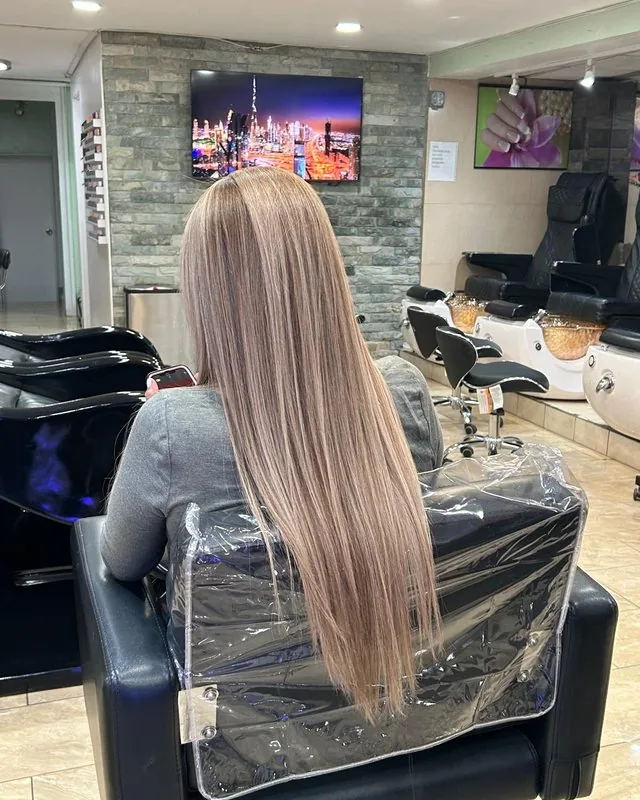
Yes, for most pregnancies a pedicure is fine, and in the third trimester it is one of the few ways to get your toenails trimmed without folding in half. The usual advice from providers is to pick a clean, licensed salon, sit where there is air moving, keep the massage gentle, and check with your own doctor or midwife if you have a high risk pregnancy, swelling that came on fast, or any cut or infection on the foot.
This guide covers what the medical sources agree on, what to ask for at the chair, and what we adjust at Naespa when a client tells us she is expecting. Start with our Astoria pedicure menu to see the options, then read on for which ones suit which trimester.
Is a pedicure safe during pregnancy?
A standard pedicure is generally considered safe in pregnancy. The main concerns in published guidance are infection from unclean tools or basins, fumes from polish and removers in a poorly ventilated room, and deep pressure on the legs and feet when there is swelling or a clotting concern. Each one is manageable with a sensible salon and a word to the technician.
What is not supported by evidence is the idea that nail polish on toes harms a pregnancy. The amount of chemical that passes through a toenail is tiny, and most professional polish today leaves out the three ingredients that used to worry people. Still, this is your pregnancy, so ask your provider if you have any doubt, and tell the technician early so the visit can be set up with you in mind.
What we change in the chair when you tell us you are pregnant
Tell the technician when you sit down, or put it in the booking note. From there the pedicure is the same service with a few adjustments.
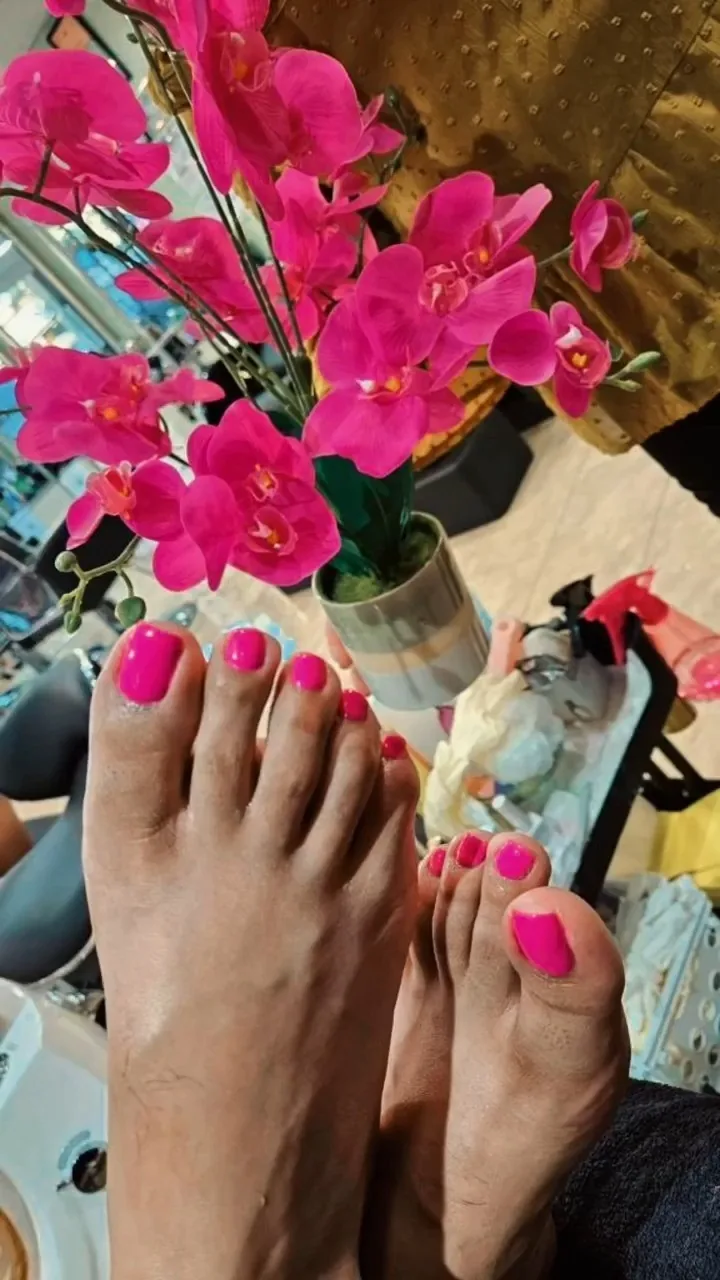
- Seating. You can ask for the chair nearest the door or window and for the chair massage function to stay off. Sitting upright with feet level, rather than reclined, is more comfortable late in pregnancy.
- Water temperature. The soak is kept warm, not hot. Very hot water is something providers suggest avoiding, so say so if it feels too warm.
- Massage. Pressure on the calves and ankles is kept light, and the technician can skip the massage entirely if your provider asked you to avoid it. Some people prefer to avoid firm pressure around the ankle during pregnancy; a light lotion rub is the default.
- Pace. Breaks to stand and stretch are fine, and the visit can be split into a trim and callus visit now and color later.
- Finish. Gel is dry the moment you stand up, which avoids a wait with wet polish or the risk of smudging while getting out of the chair.
None of this costs extra. It is the normal $45 gel pedicure or $38 French pedicure, done with more care for how you are sitting.
How to choose a salon when you are pregnant
Sanitation is the first thing to check, because the real risk in any pedicure is infection from a basin or a tool, and pregnancy makes any infection more of a nuisance. Look for tools that come out of a sterilizer or a sealed pouch, a basin that is cleaned between clients, and a technician who is licensed.
At Naespa the technicians are licensed, tools are UV sterilized and the sanitation standard is hospital grade. Ask to see the pouch opened if it reassures you. Ventilation is the second check. A salon that smells strongly of acrylic or remover is one to leave, since fumes are what most providers actually mean when they talk about chemical exposure. Pick a chair away from the acrylic station and near a door, and if you are sensitive to smells, book a quieter weekday morning when fewer services are running at once.
Last, tell the salon about any cut, blister or infected toenail before the soak. Open skin in a shared basin is the one situation where a pedicure should wait until it heals.
What is in nail products, and what to skip
The three ingredients that gave nail polish its reputation were formaldehyde, toluene and dibutyl phthalate. Most professional polish now leaves them out, and the labels say so. The exposure from a coat of polish on toenails is small in any case, with ventilation doing more for you than the label.
Regular polish
Fine. Choose a line that leaves out the three ingredients above, and let the technician know if a smell bothers you. Remover is where the fumes come from, so a well aired room matters more at the start of the visit, when old polish comes off, than at the end.
Gel
Gel polish is cured under a UV or LED lamp for about 30 to 60 seconds per coat. The exposure is brief and limited to the feet, and published guidance does not single out gel as a problem in pregnancy. If you would rather avoid the lamp altogether, a French pedicure with regular polish at $38 is the alternative.
Acrylic and dip
Toes rarely get acrylic, but the liquid monomer used for acrylic nails has a strong smell, so sit away from the acrylic station. Dip powder on toes is uncommon and not something we suggest in pregnancy, since removal means a long acetone soak. If you want a long wearing finish, gel is the simpler choice.
Risks to know about, and how they are handled
The honest list of pedicure risks in pregnancy is short: infection, fumes, falls and pressure. Here is how each one plays out at the chair.
Infection comes from unclean tools or a cut during the cuticle work, and sterilized tools and a careful technician are the answer. Fumes are handled by seating and ventilation. Falls are a late pregnancy concern, since balance changes and a wet floor around a basin is slippery, so take the technician's hand getting in and out of the chair and wear shoes with grip. Pressure during massage is the one where advice varies: some providers suggest avoiding firm pressure on certain points around the ankle and lower leg, and firm calf massage is sometimes discouraged when there is any clotting concern, so a light rub is the safe default and skipping it is fine.
Swelling deserves its own line. Mild swelling in the feet is common late in pregnancy and a cool soak feels good. Swelling that is sudden, one sided, painful or paired with a headache is a reason to call your provider, not to book a pedicure.
Which pedicure to book, trimester by trimester
Every pedicure on the menu can work. The pick changes with how you feel and how long you want to sit.
- First trimester: keep it short if nausea is an issue. A $45 gel pedicure in about 45 minutes, seated near the door, with the massage kept light.
- Second trimester: the comfortable one. A spa gel pedicure at $62 with the $15 callus treatment is a good use of the energy you have now, and gel lasts three to four weeks.
- Third trimester: practical and quick. A gel pedicure for a clean trim and color you will not have to redo before the birth, with the chair upright and breaks to stand. Book it two to three weeks before your due date so toes are done for the hospital.
| Pedicure | Price | Time in the chair | Lamp |
|---|---|---|---|
| French pedicure, regular polish | $38 | About 40 minutes plus drying | No |
| Gel pedicure | $45 | About 45 minutes | Yes, 30 to 60 seconds per coat |
| Spa gel pedicure | $62 | About 60 minutes | Yes |
| Toe gel change | $30 | About 20 minutes | Yes |
| Callus treatment add on | $15 | Adds about 10 minutes | No |
If you want hands done in the same visit, the manicure and pedicure combo is $42, and the manicure options follow the same advice: regular polish or gel, well aired seat, no rush.
Nail care during pregnancy and when to call your provider
Many people find their nails grow faster and stronger during pregnancy, which means more frequent trims rather than fewer. Others find nails softer or more prone to splitting. Both are common and both settle after the birth.
Between pedicures, keep toenails trimmed straight across, moisturize heels nightly, and wear shoes with room in the toe box as feet widen. Elevate feet in the evening if they swell. Cuticle oil keeps the skin around the nail from cracking, which closes the door on the small infections that start there.
Call your provider rather than the salon if a nail becomes dark, thick or lifts from the bed, if the skin around a nail is red, hot or oozing, or if swelling in the feet comes on fast. Those are not pedicure problems, and a pedicure should wait until they are looked at.
A pregnancy friendly pedicure on Steinway Street
Naespa Nails & Beauty is at 32-44 Steinway St in Astoria, Queens, two minutes on foot from the Steinway St station on the M and R, with free street parking nearby. Hours are Monday to Friday 9am to 8pm, Saturday 9am to 7pm and Sunday 11am to 6pm, and the last nail appointment is 6pm Monday to Saturday. Call (347) 894-6190 with questions.
Walk ins are welcome, but for a pregnancy pedicure it helps to book online and add a note so a well aired chair is ready. Prices for every option above are on the full services and prices list.
Questions readers ask
Is a gel pedicure safe while pregnant?
Published guidance does not flag gel pedicures as a concern. The lamp exposure is brief and limited to the feet. If you would rather skip the lamp, choose regular polish and sit in a well aired spot.
Can the foot massage be skipped?
Yes. Tell the technician and the massage is replaced with a light lotion rub or left out entirely. Some providers suggest avoiding firm pressure around the ankle during pregnancy, so this is a common request.
Should I get a pedicure right before my due date?
Many clients book two to three weeks before. Gel lasts through the hospital stay and the first weeks home, when there is no time for feet. Keep the visit short and sit upright.
What should I tell the salon when I book?
That you are pregnant, how far along, and anything your provider asked you to avoid. A note in the online booking is enough, and the technician will confirm at the chair.